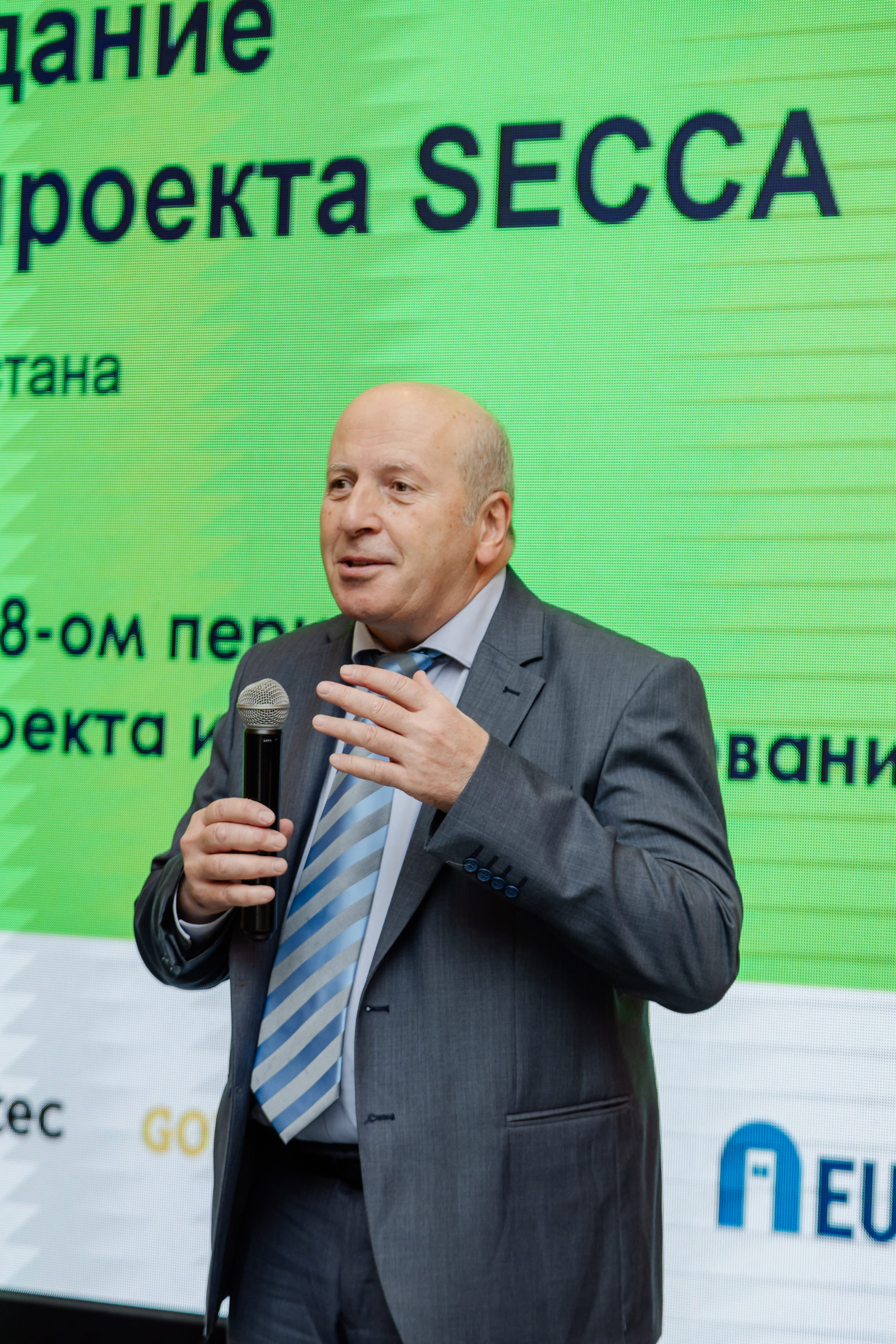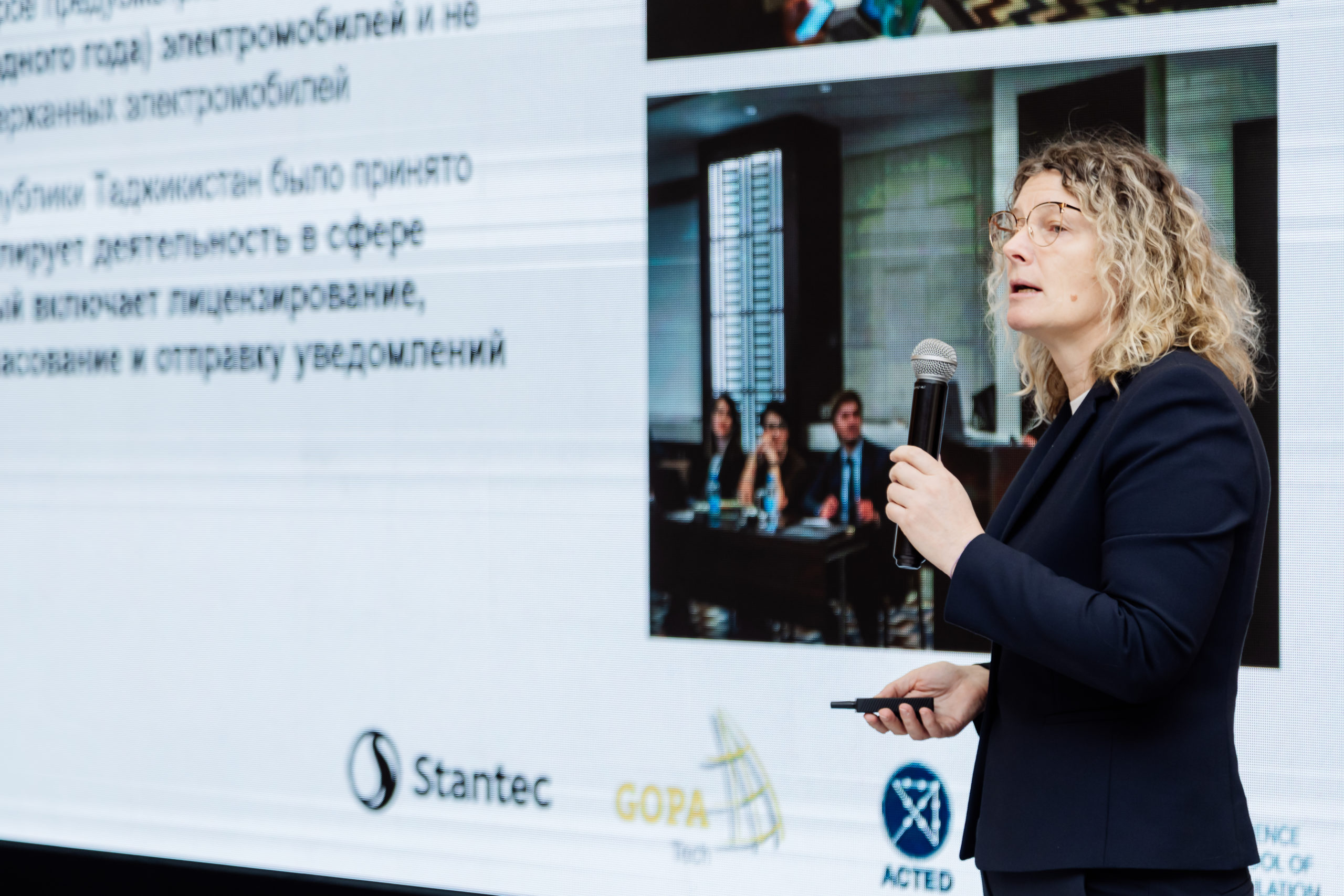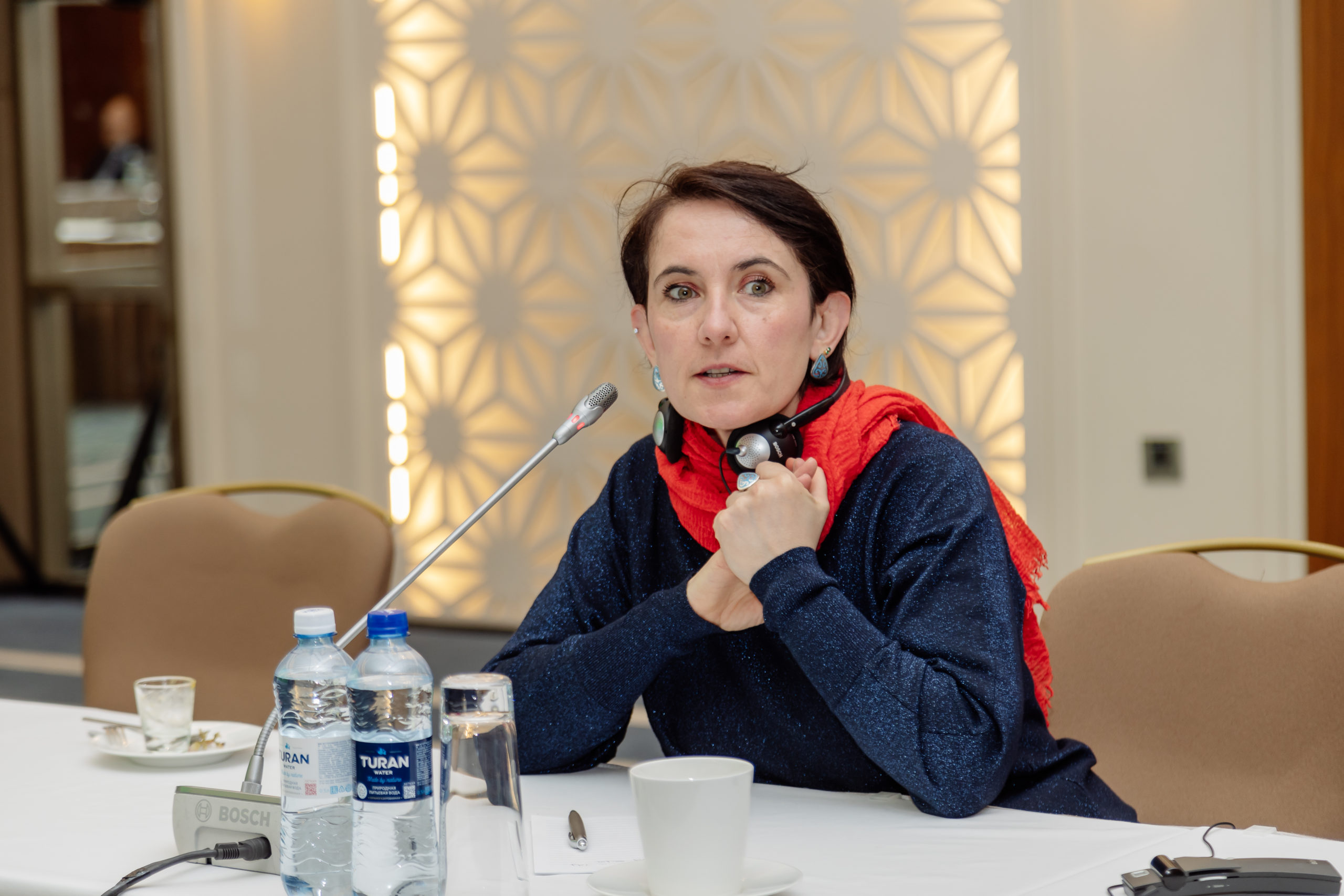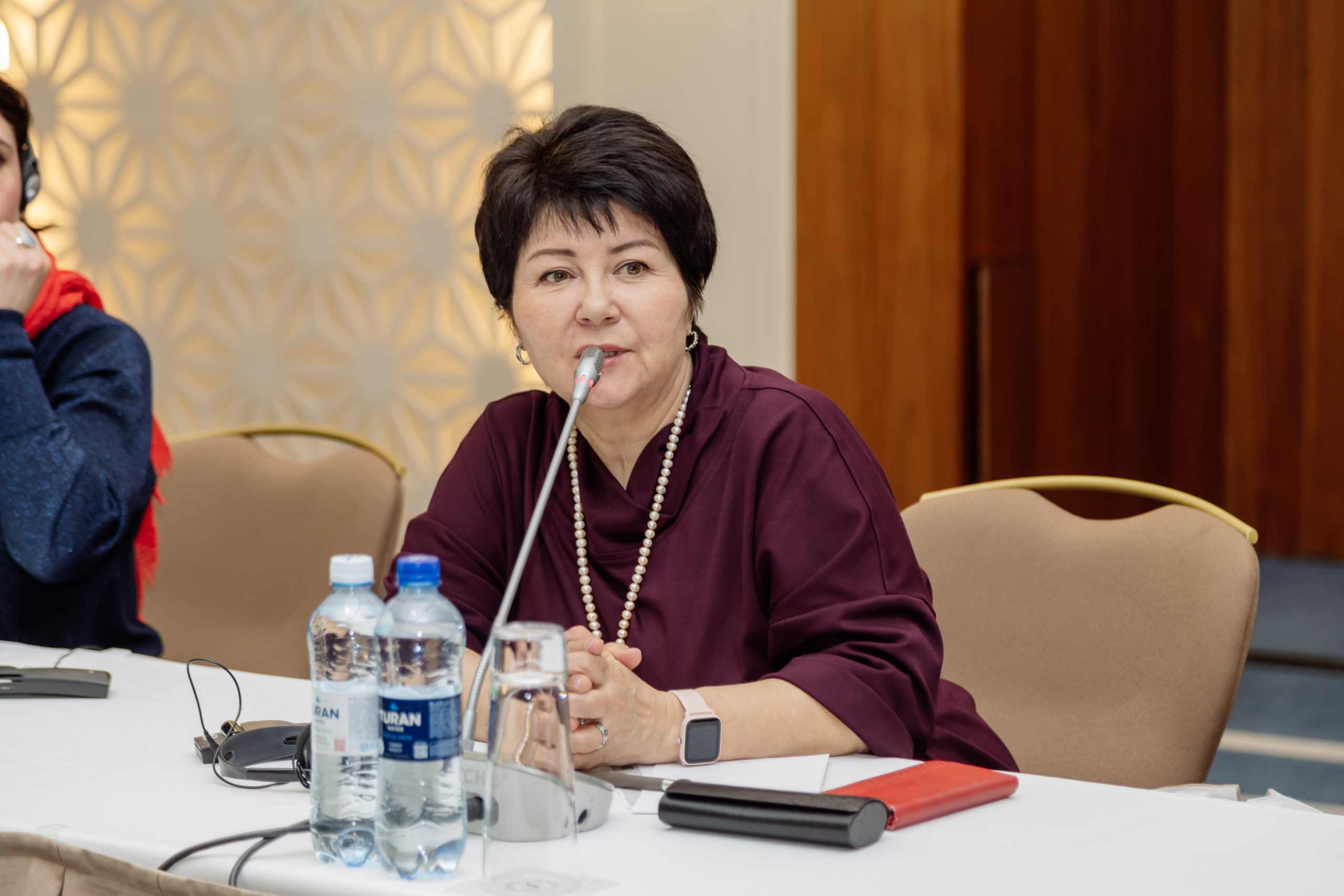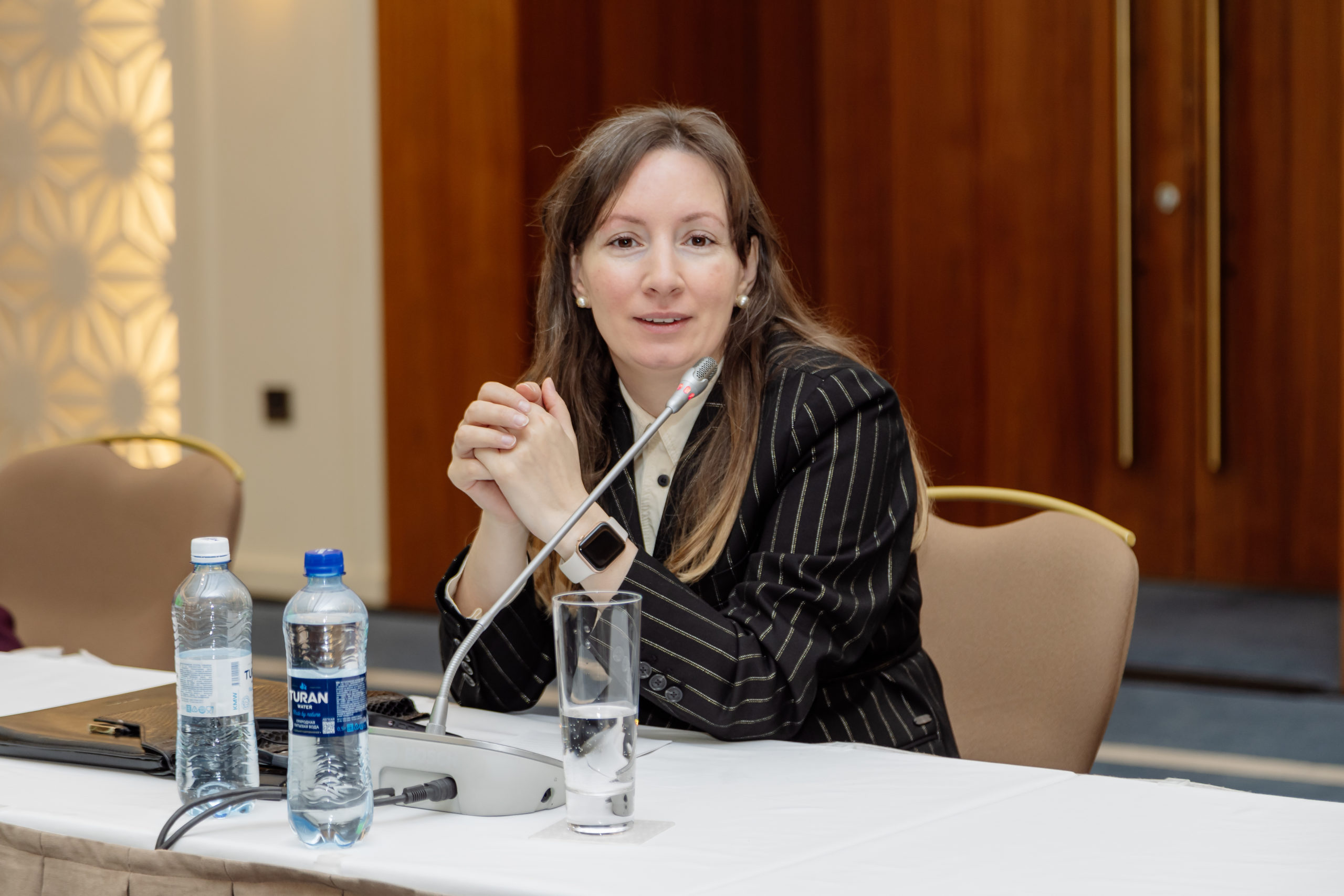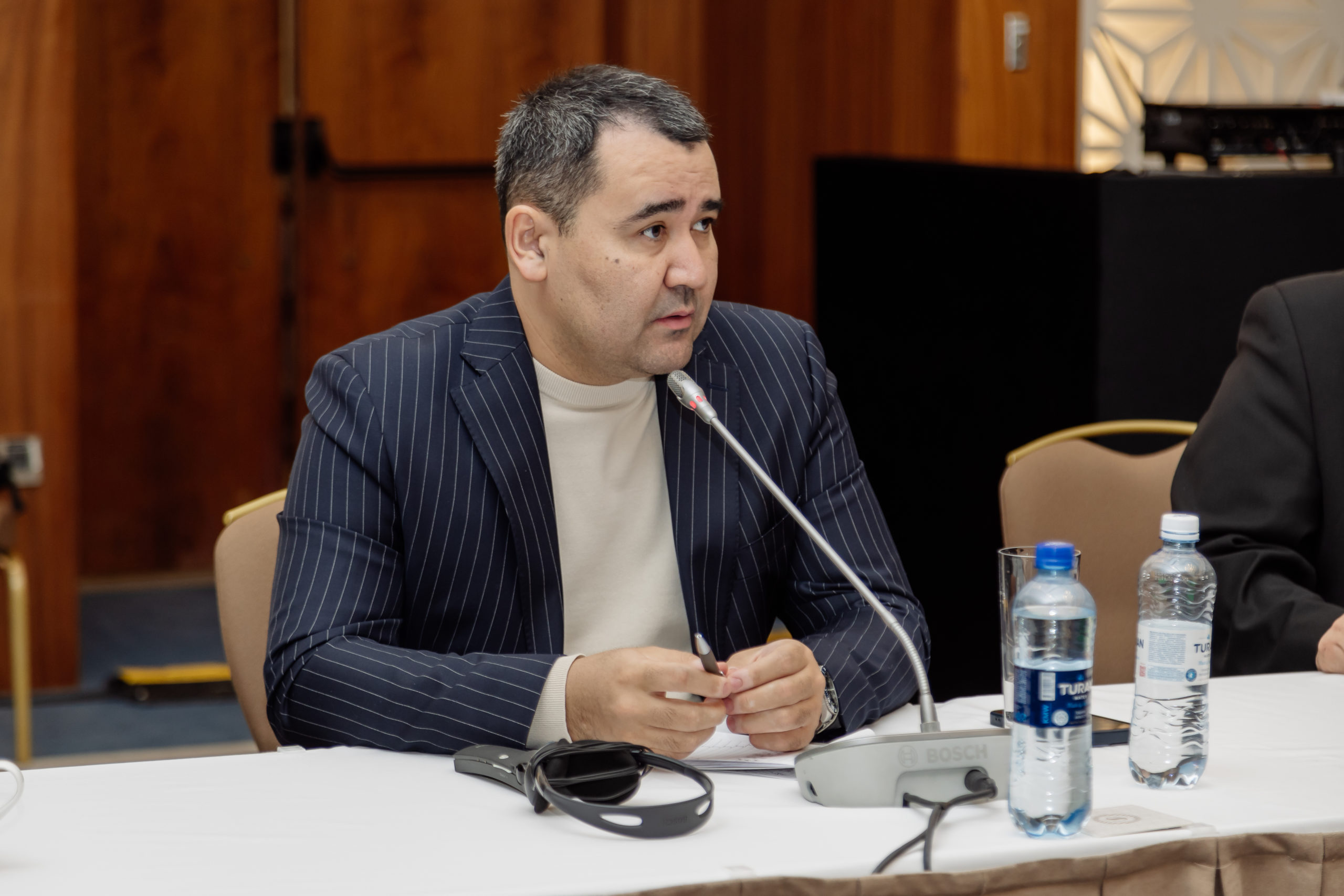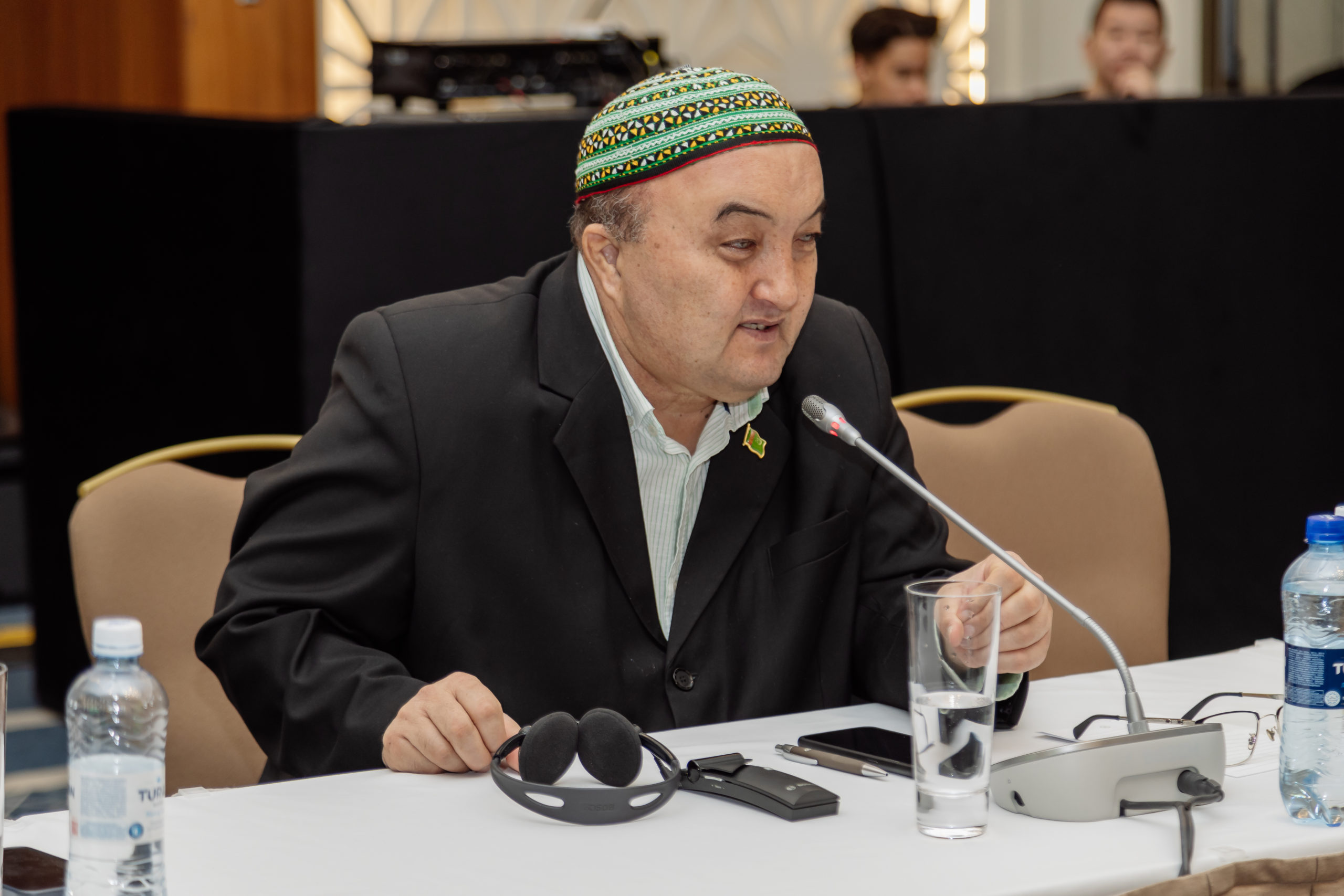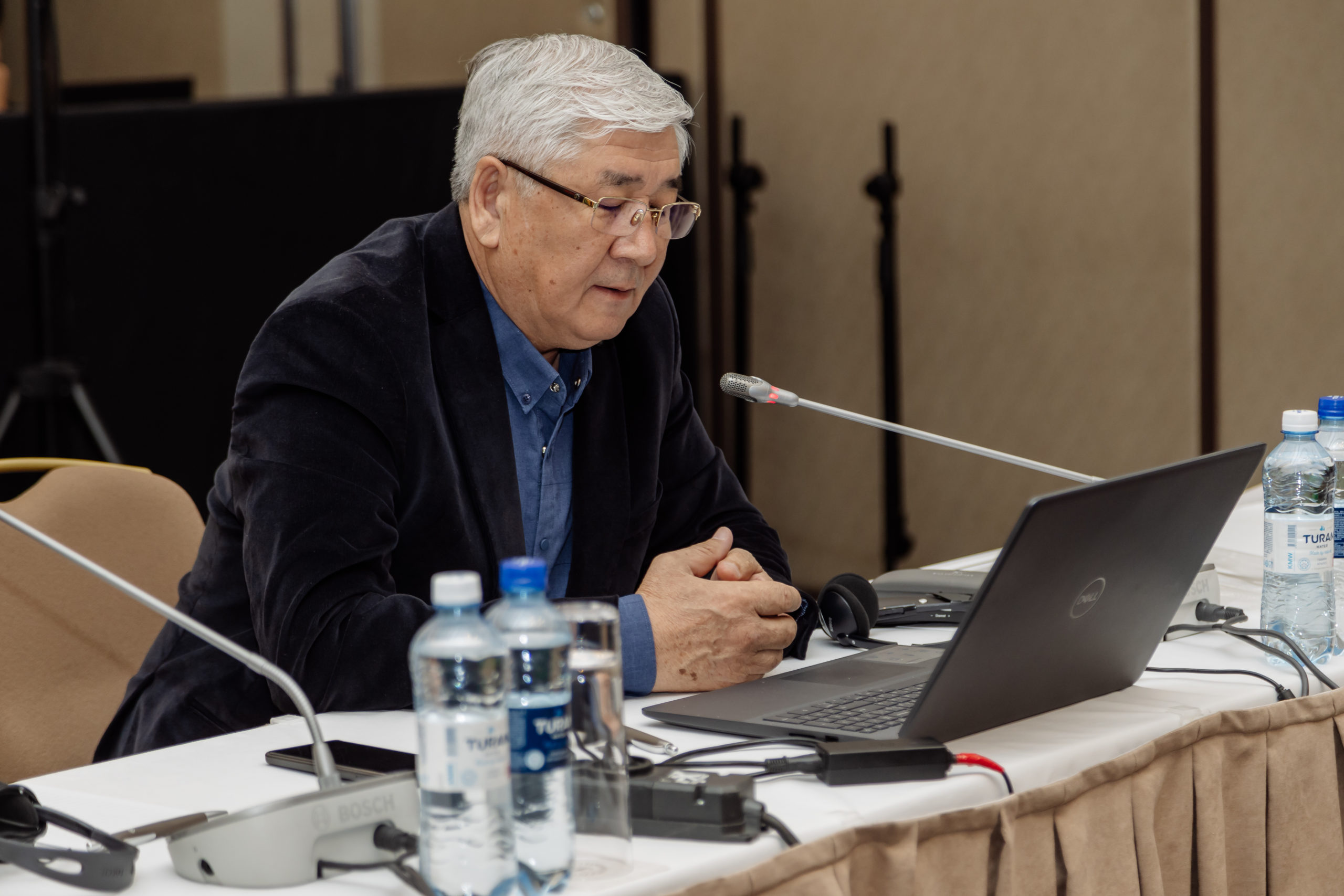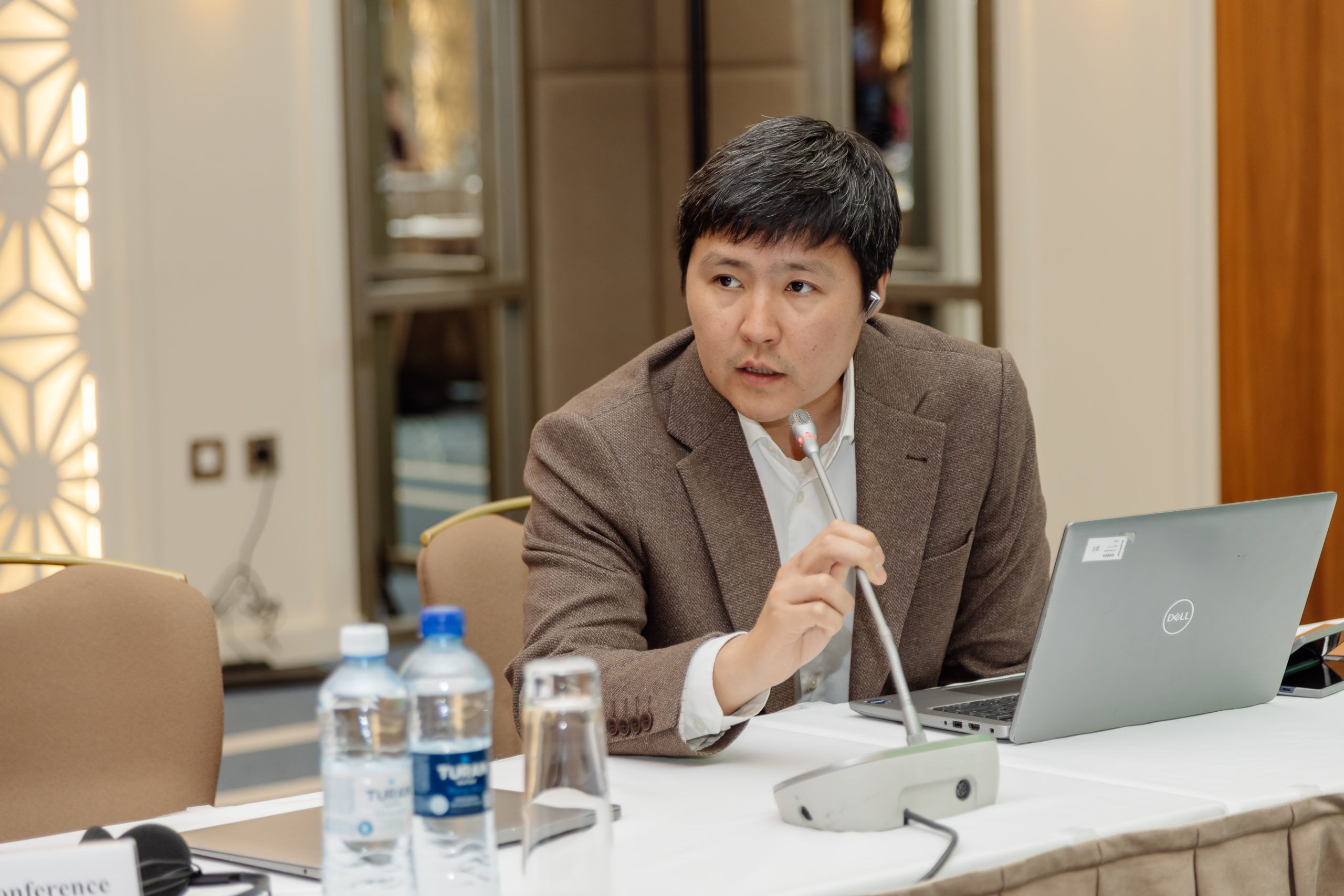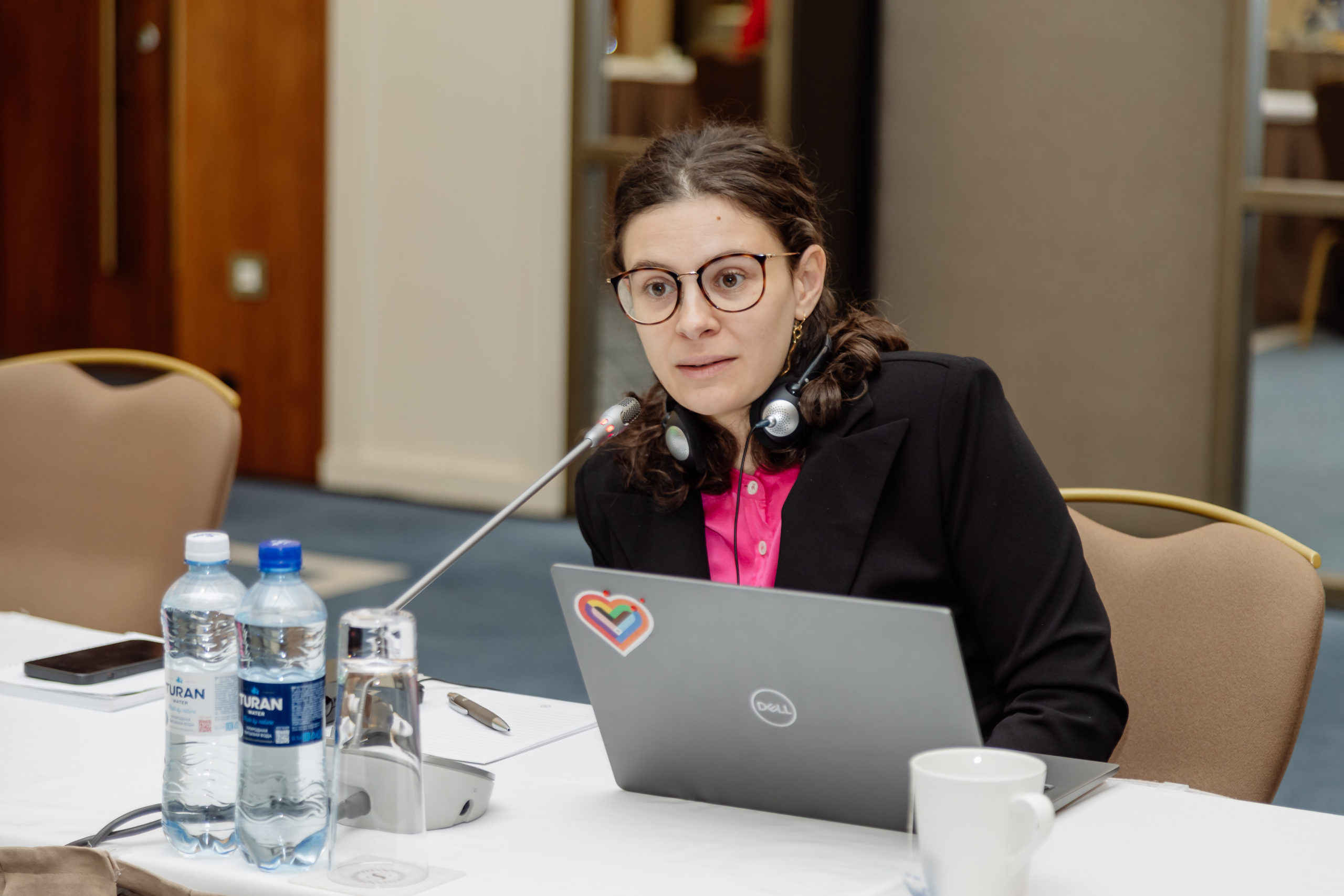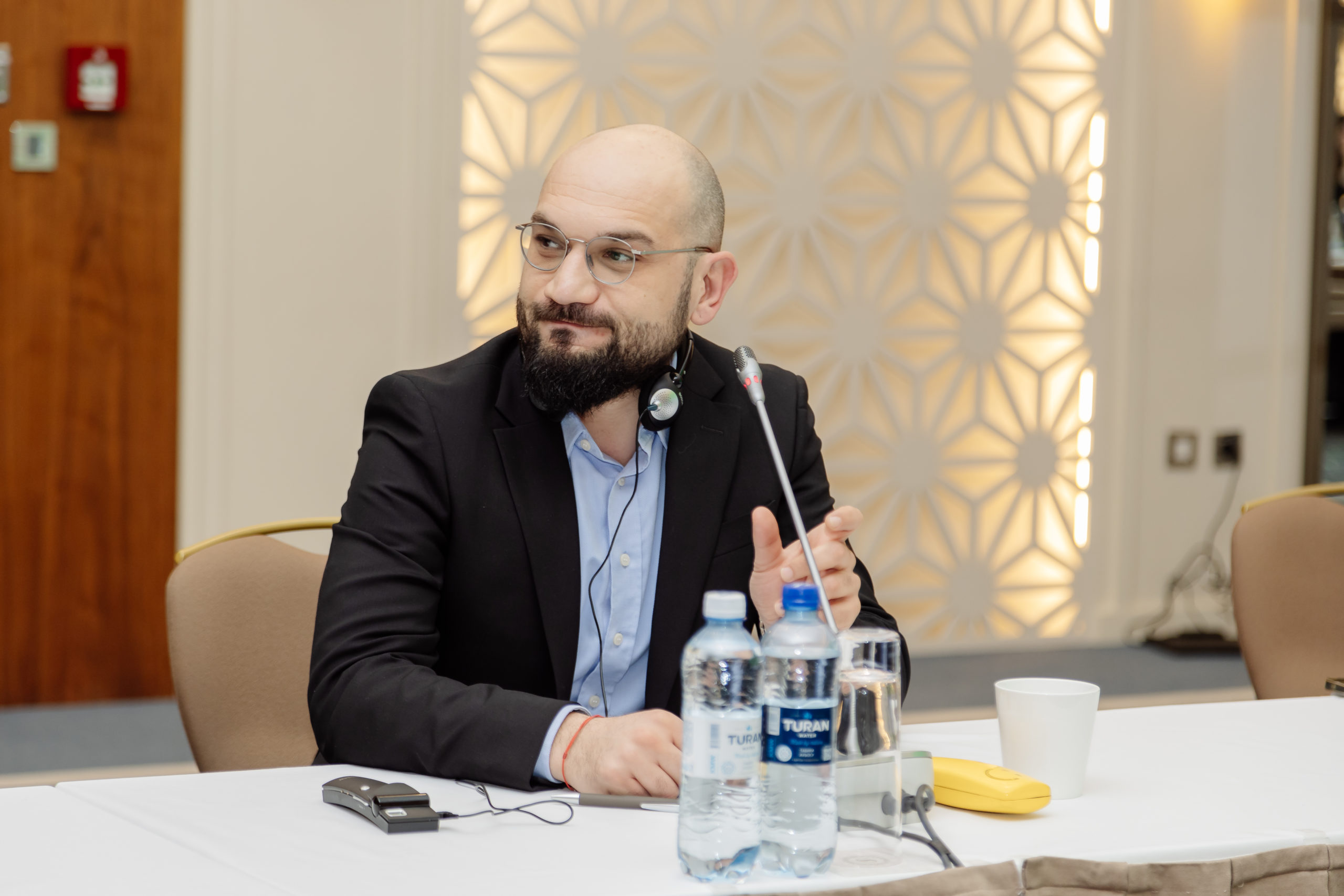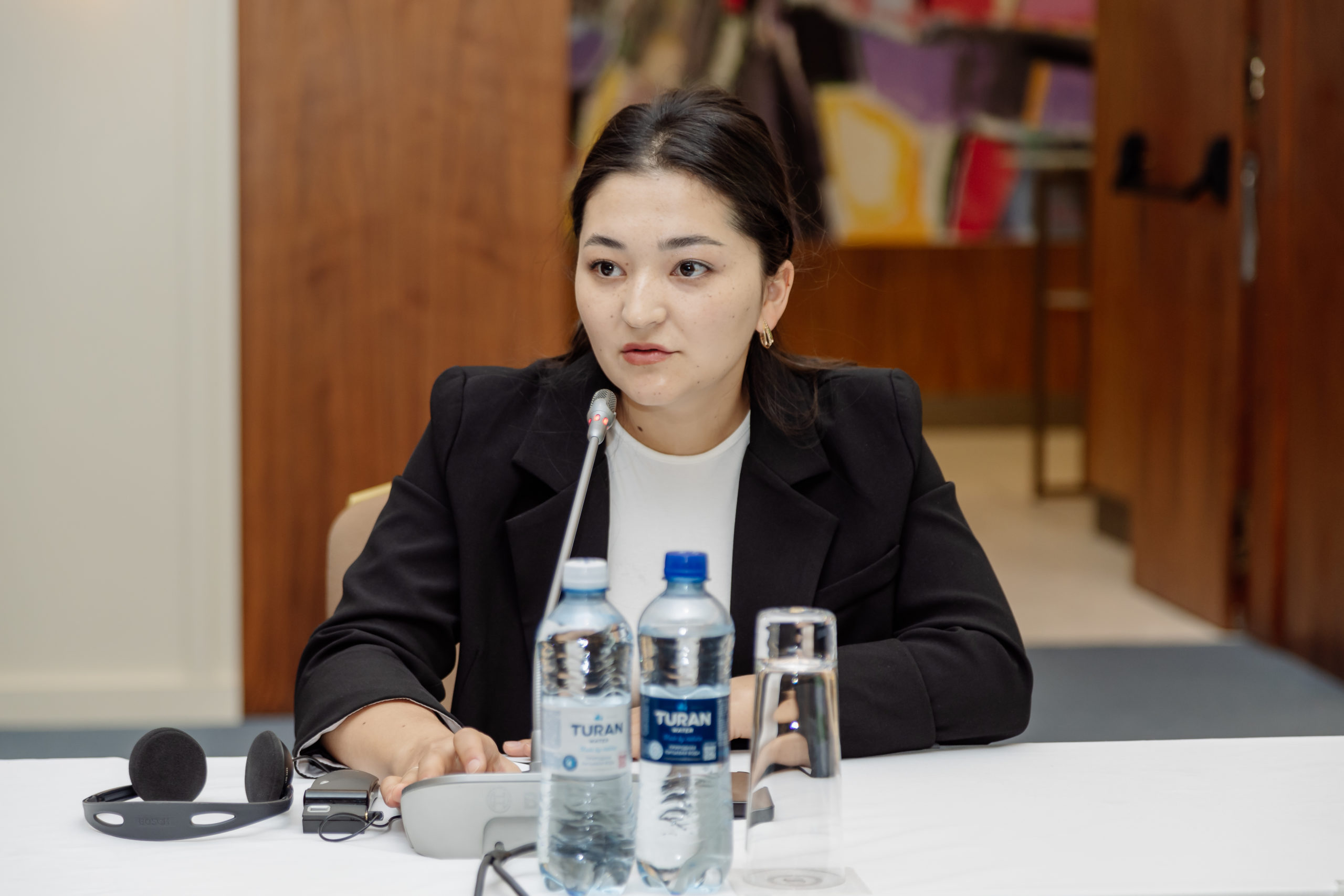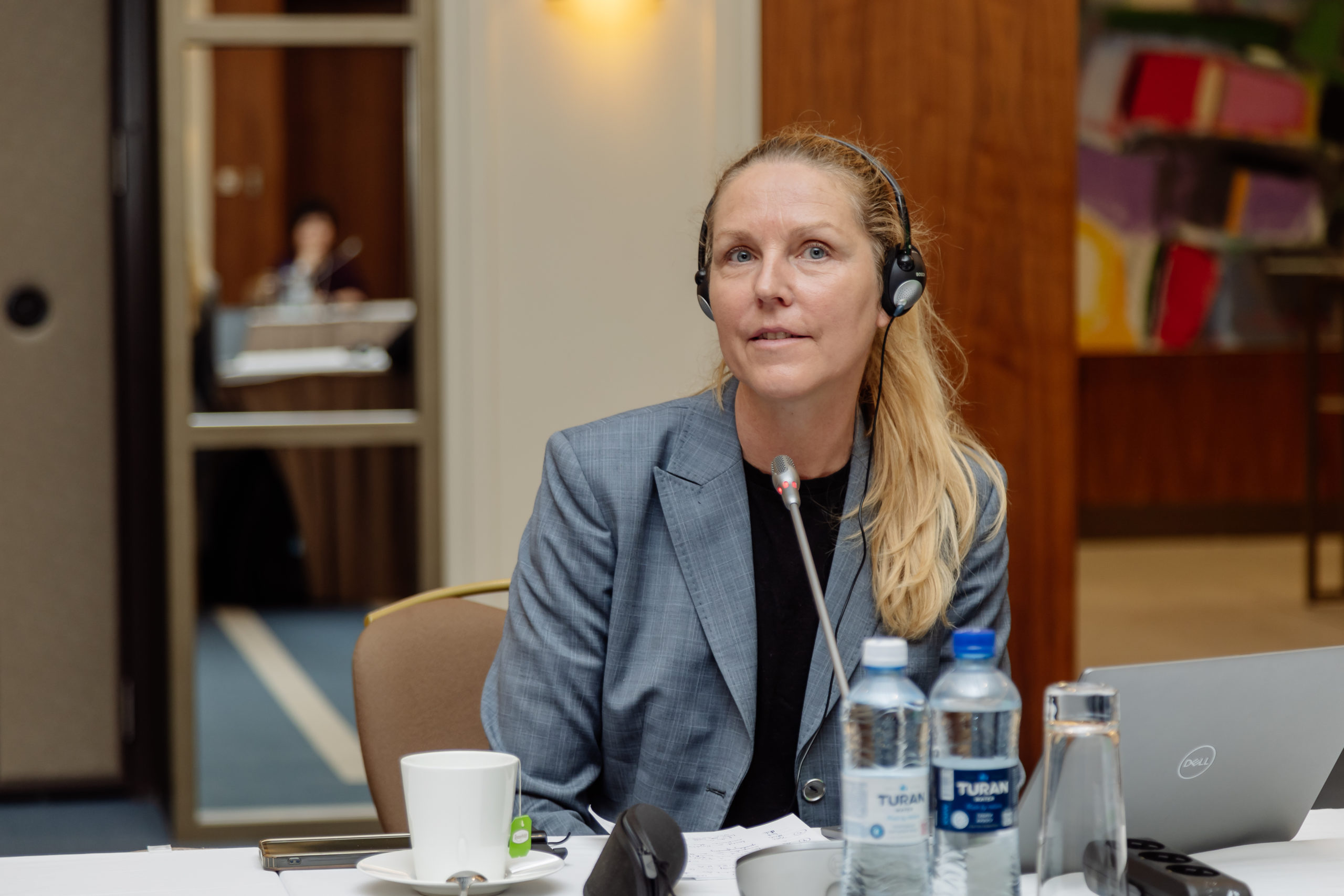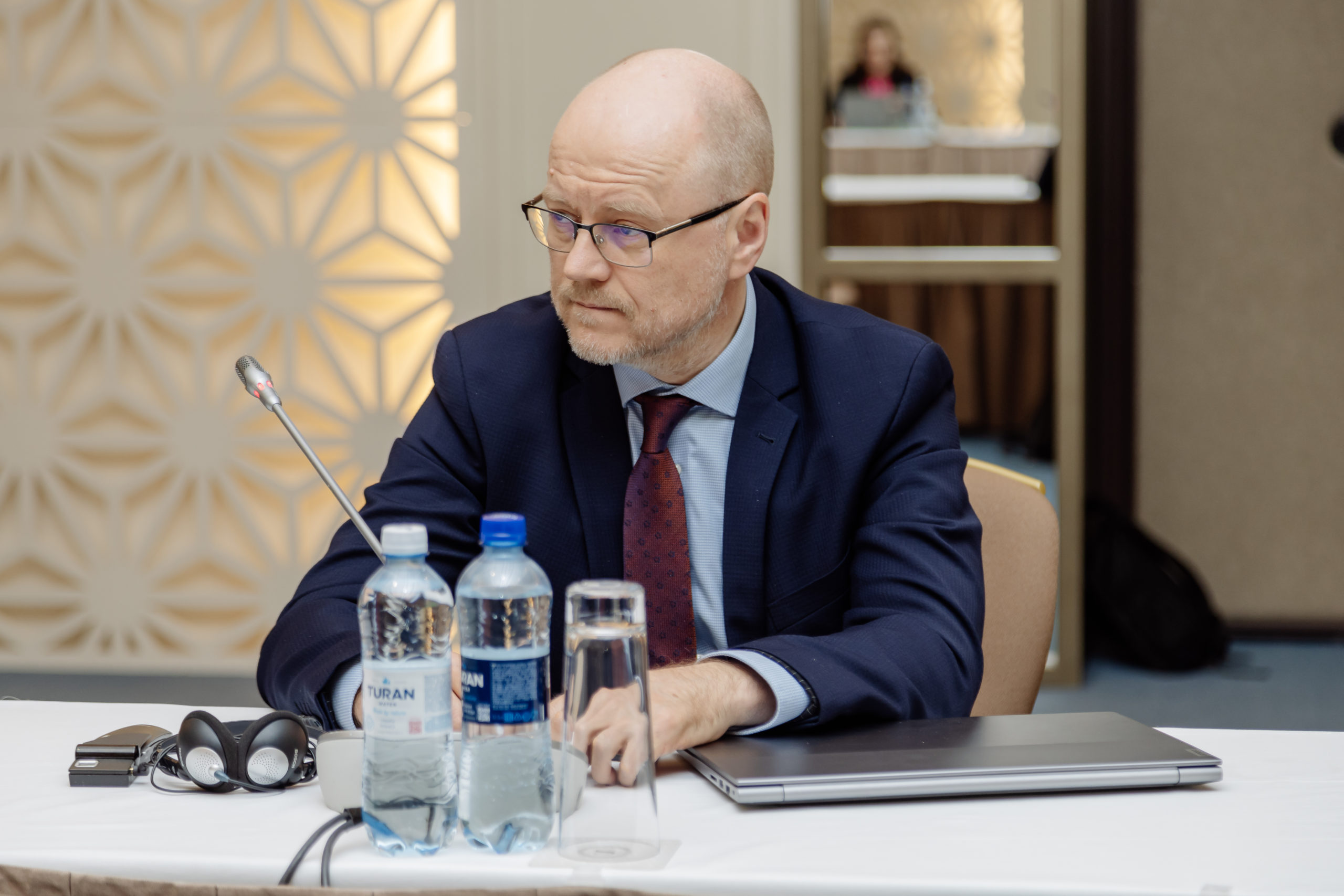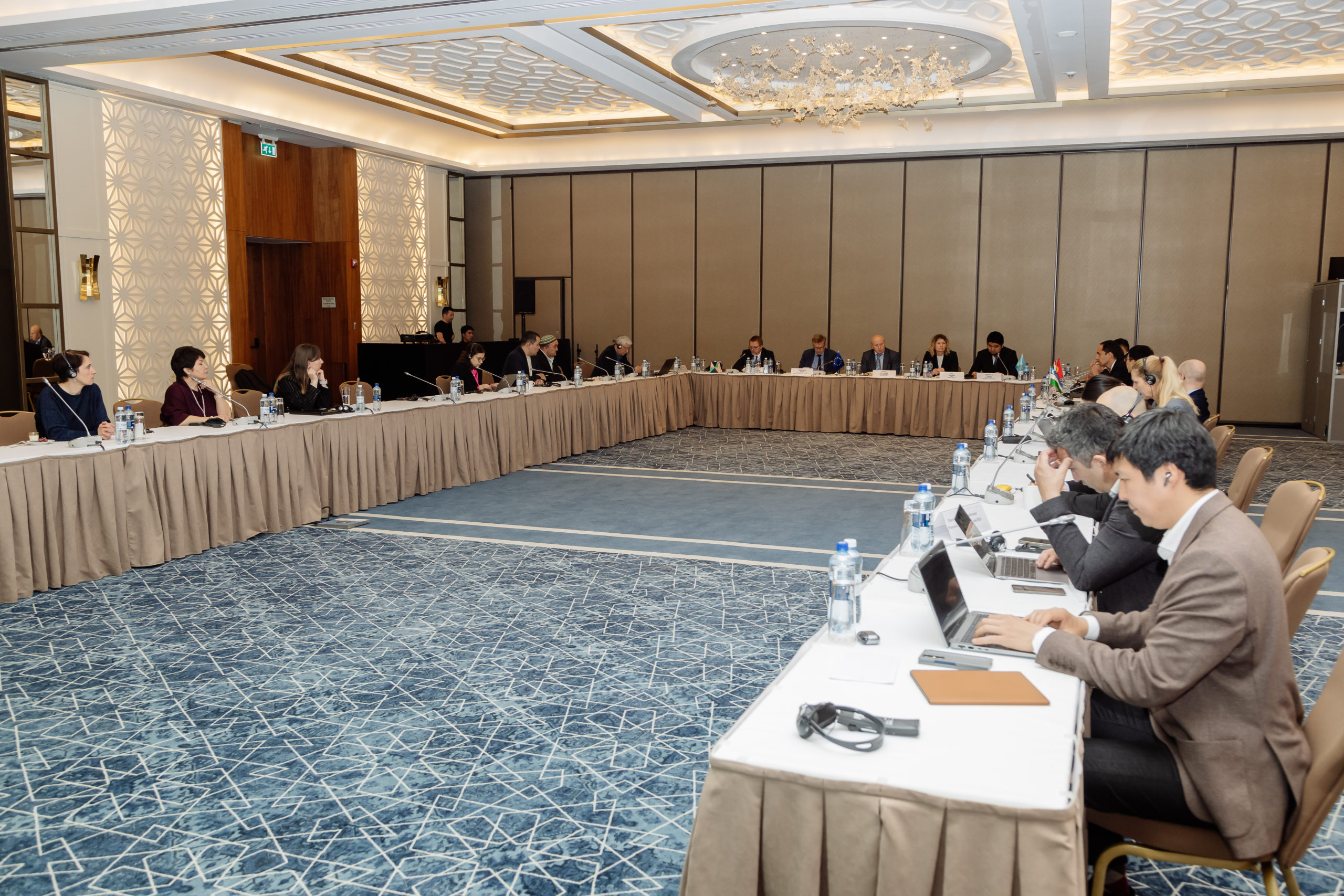

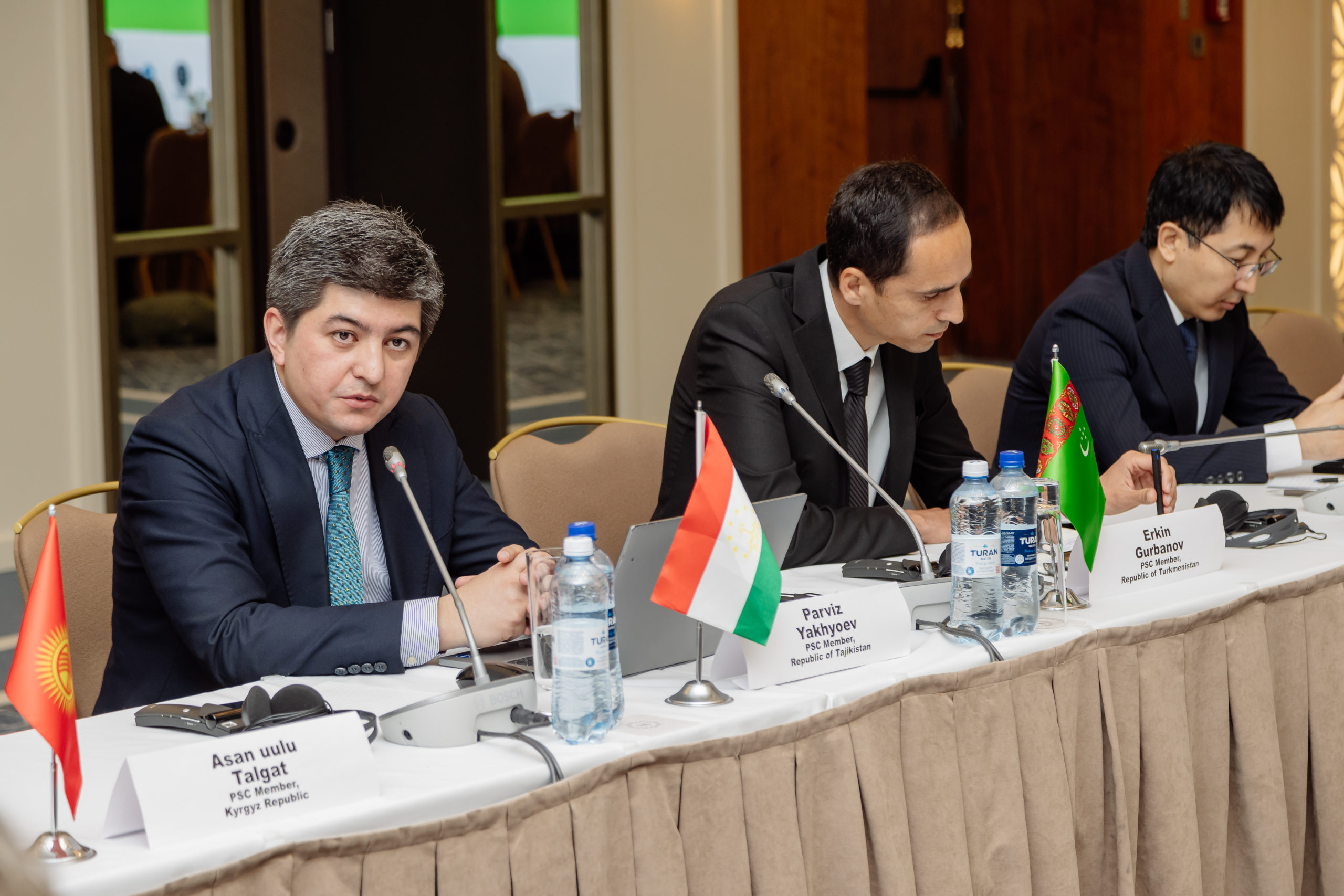
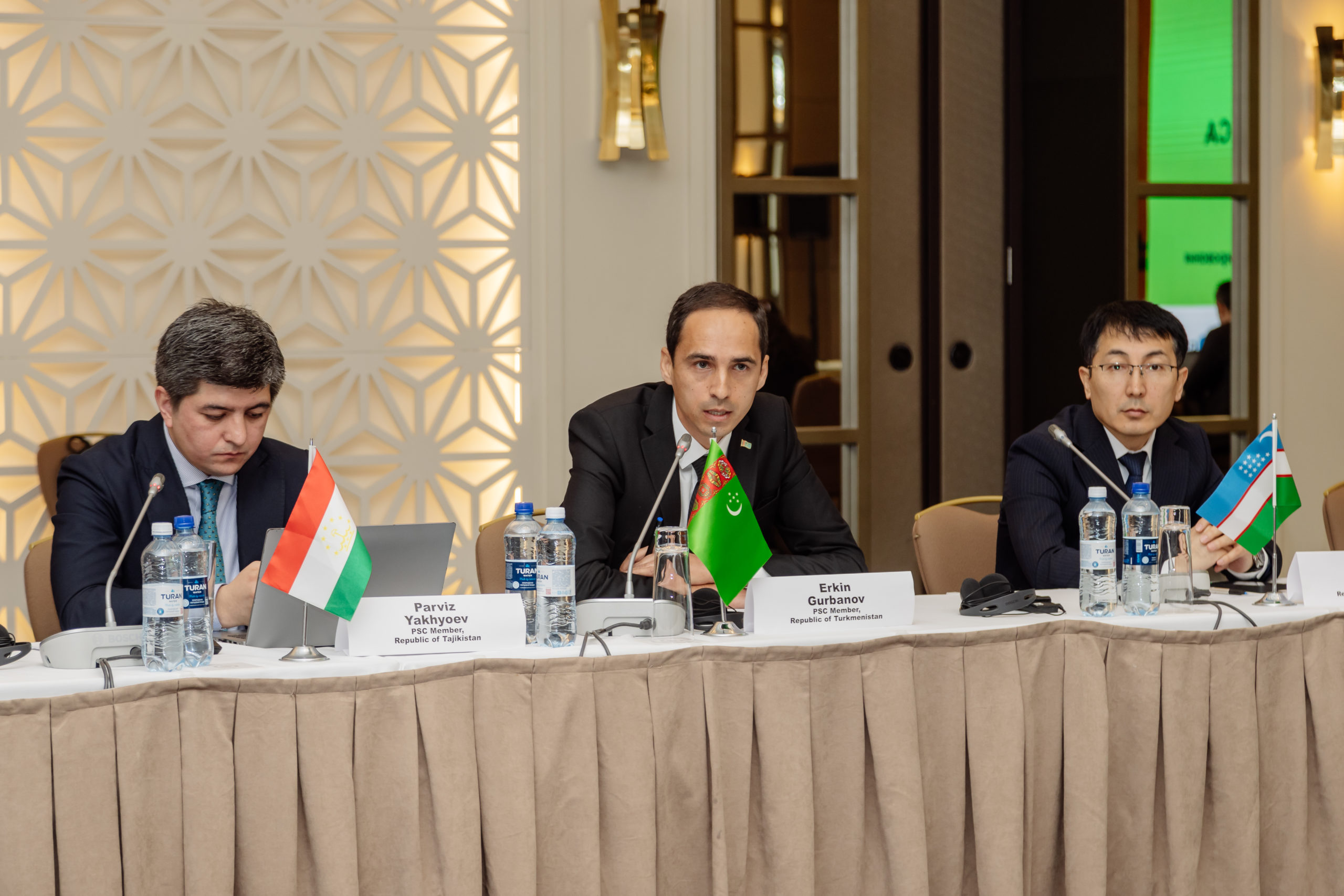
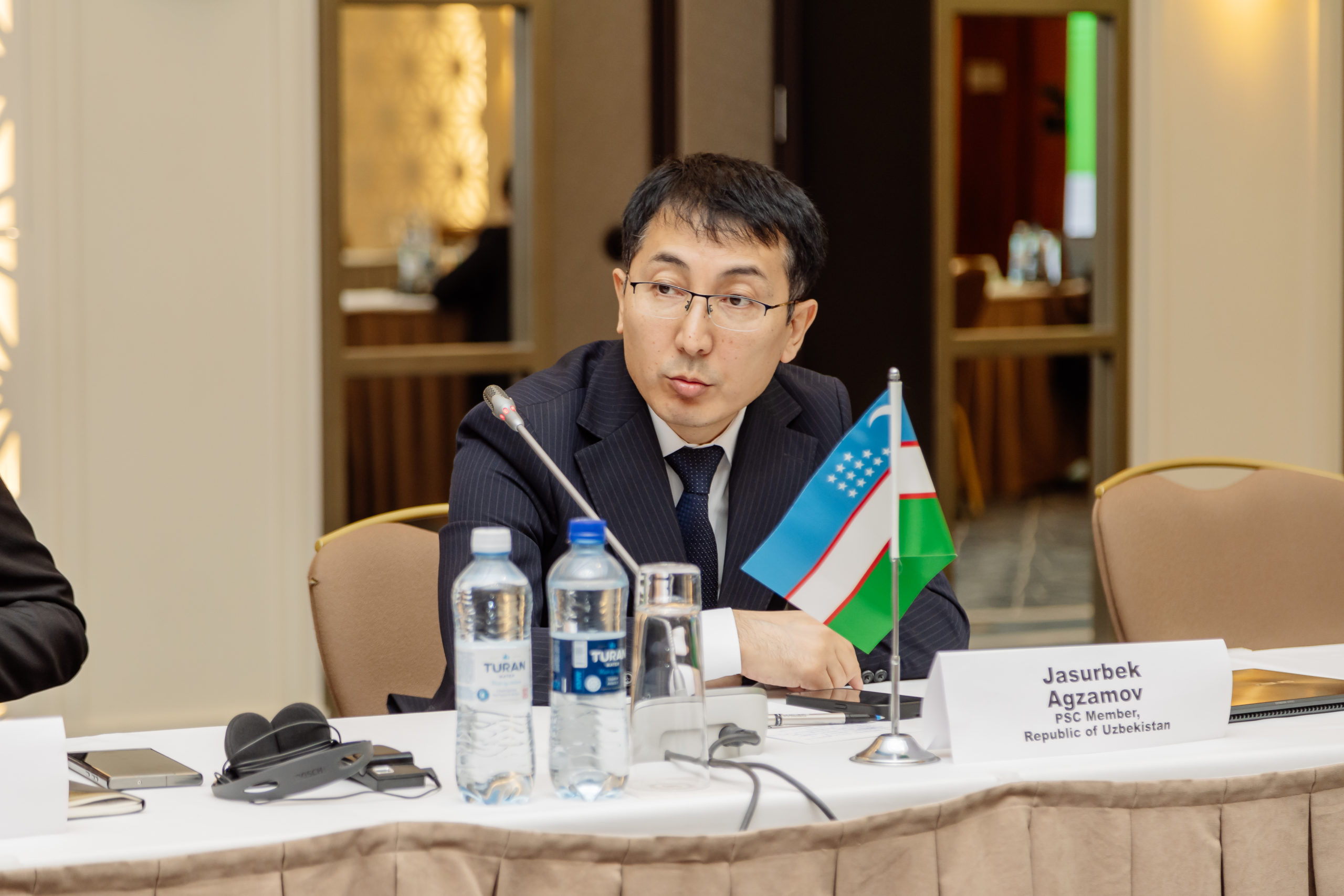
Astana, Kazakhstan – On 7 April 2026, the European Union-funded project “Sustainable Energy Connectivity in Central Asia (SECCA)” organised the fourth and final Project Steering Committee (PSC) Meeting. Held in a hybrid format, this closing event brought together officials from Central Asian countries – members of the PSC designated by their respective governments, representatives of the European Union and its projects. The event marked the culmination of four years of regional cooperation aimed at advancing renewable energy, energy efficiency, and sustainable energy policies in Kazakhstan, Kyrgyzstan, Tajikistan, Turkmenistan, and Uzbekistan. Participants gathered to celebrate achievements, reflect on lessons learned, and explore pathways for continued collaboration beyond the project’s conclusion.
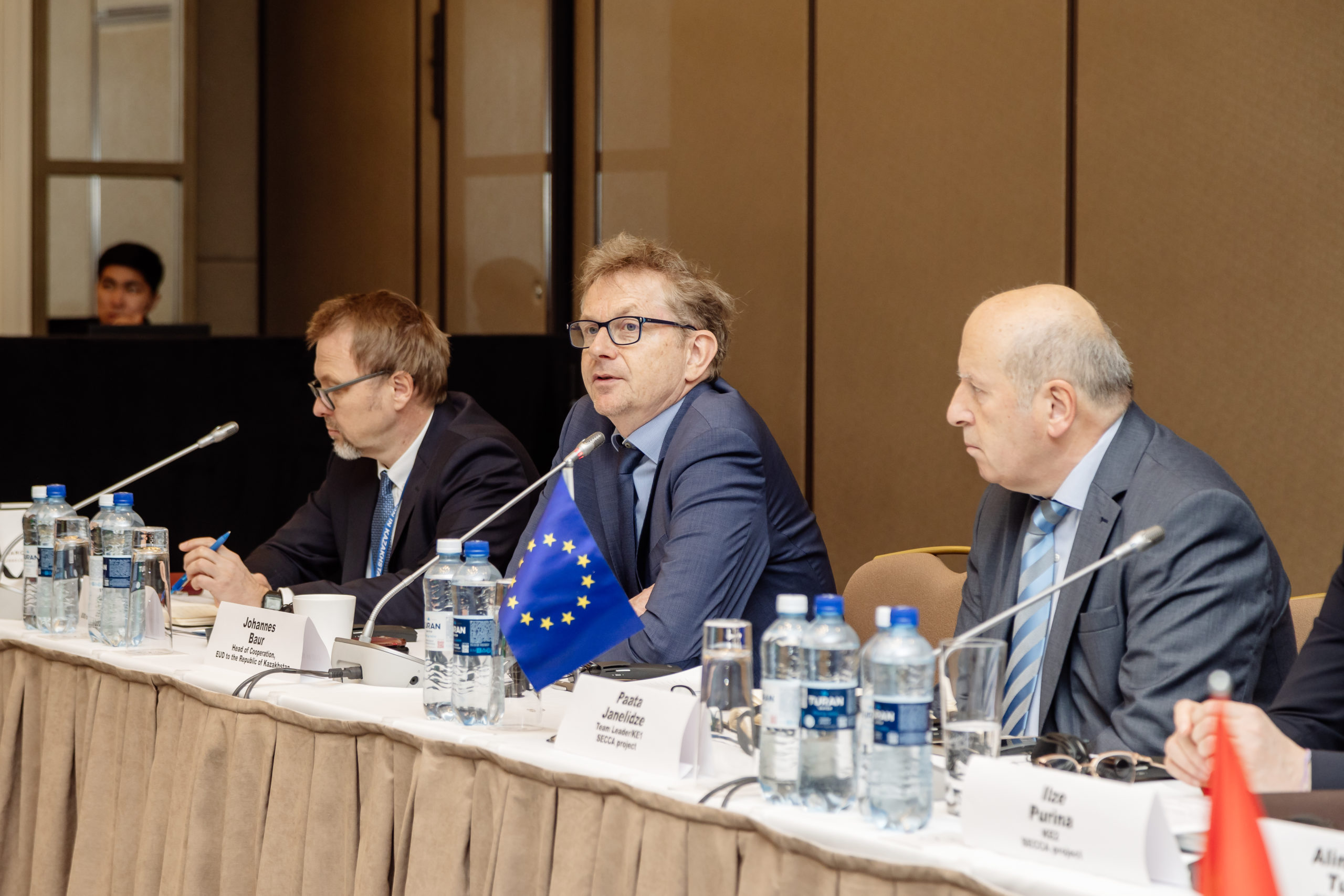
Mr Johannes Baur, Head of Cooperation of the EU Delegation to Kazakhstan, remarked in his opening statement: “The SECCA project has delivered solid results. It has strengthened the regional dialogue and improved cooperation between countries. It supported national institutions and helped improve policies and regulatory frameworks. It has also encouraged cooperation between governments, the private sector, academia, and civil society, including more gender-inclusive approaches. As we near the end of the project, today is a good moment to take stock of what has been achieved and to look ahead. I would like to thank all partners for their work and cooperation over these years. Your contribution has been key to the SECCA’s success.”
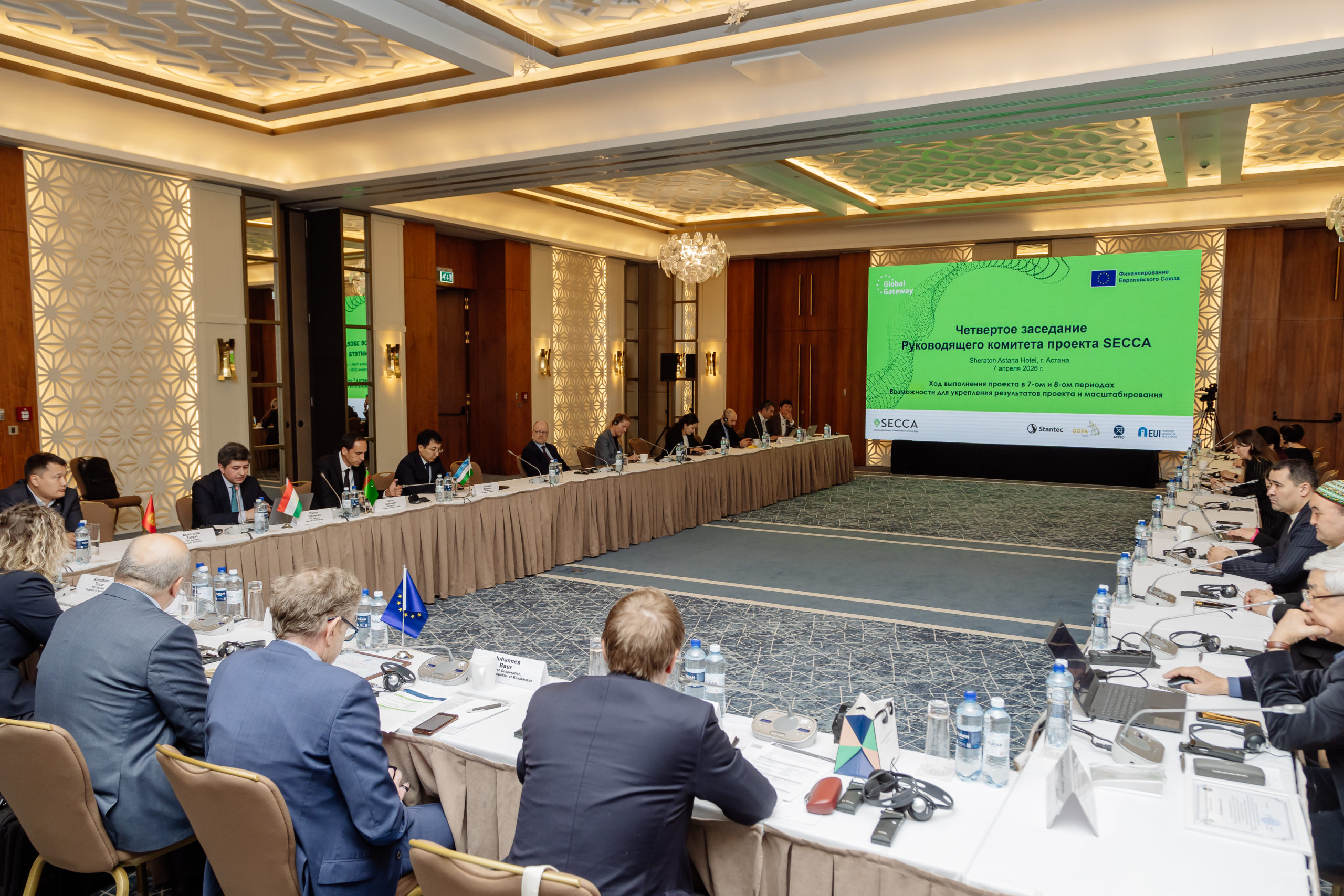
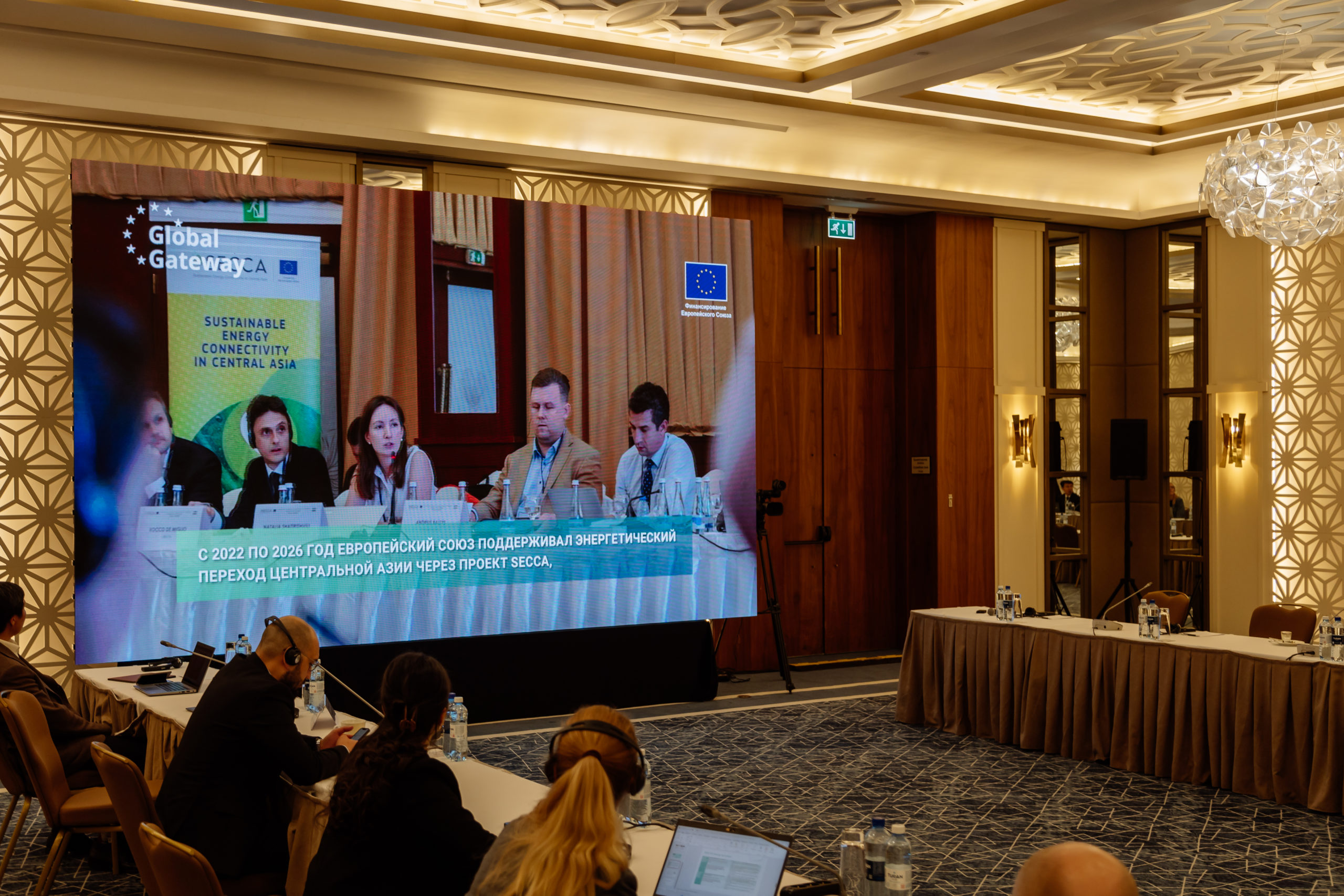
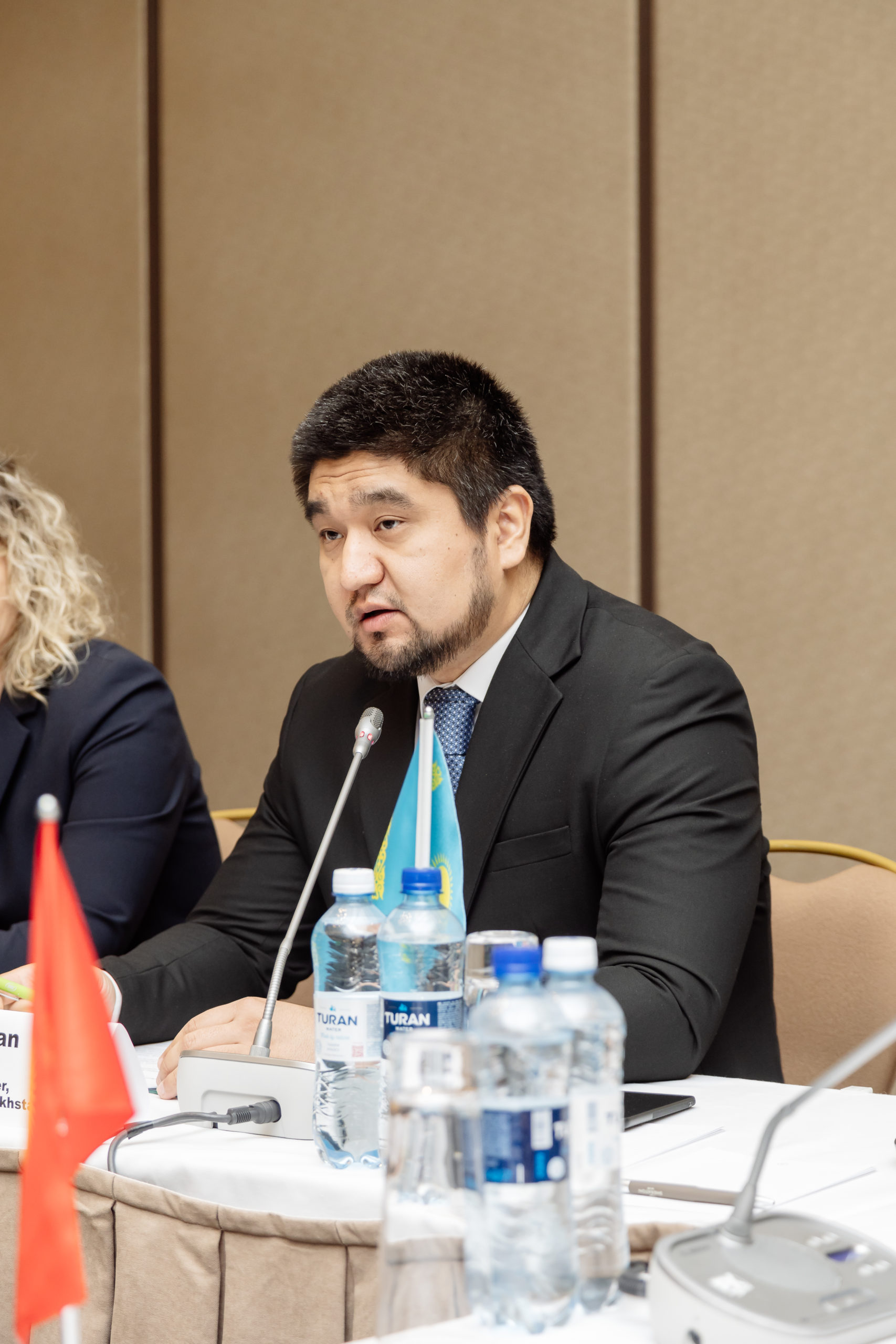
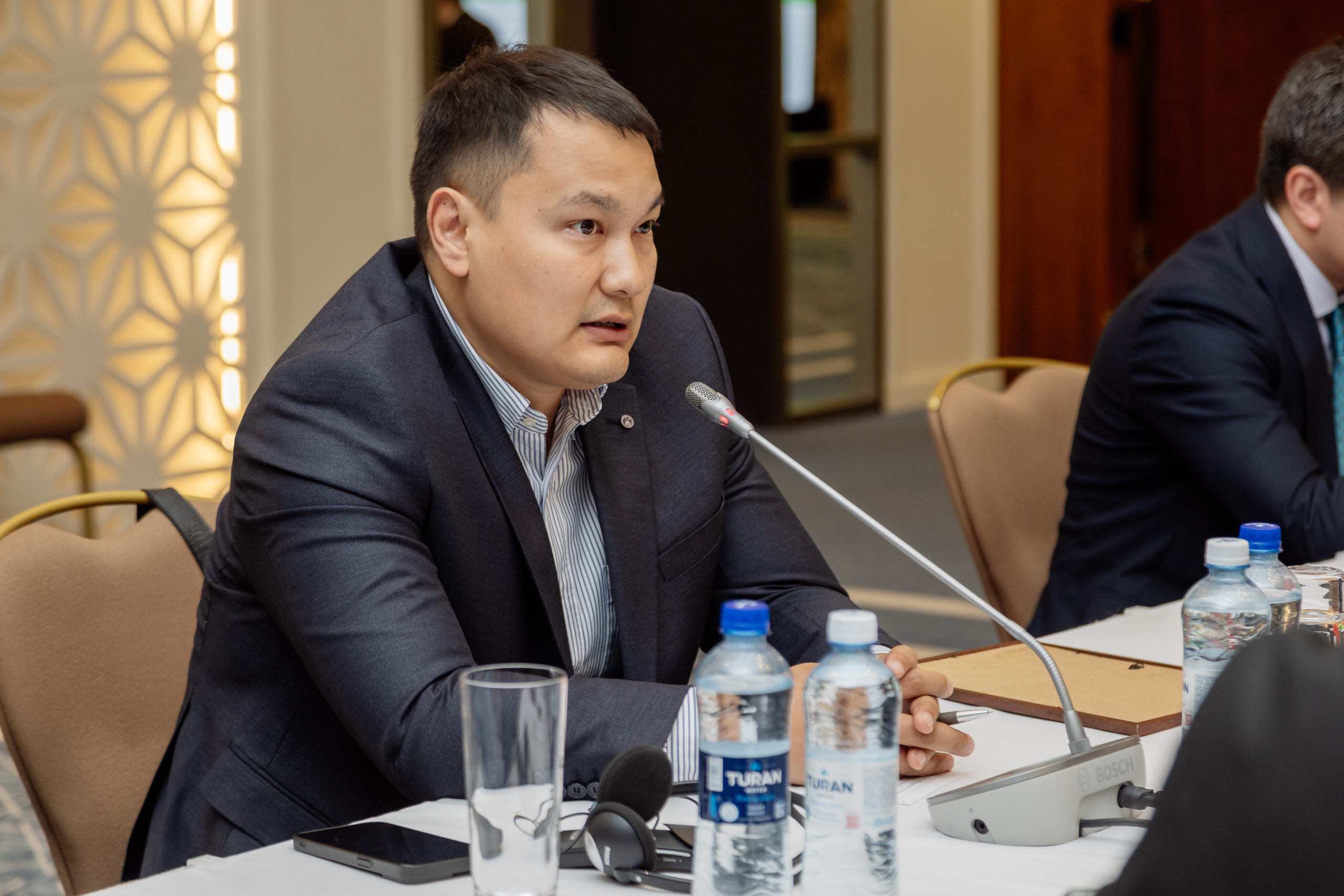
The representatives of national stakeholders – Ministry of Energy of the Republic of Kazakhstan, Ministry of Energy of the Kyrgyz Republic, Ministry of Energy and Water Resources of the Republic of Tajikistan, Ministry of Energy of Turkmenistan, and Agency for Strategic Development and Reforms under the President of the Republic of Uzbekistan – then took the floor, greeted the participants on behalf of their respective countries, and expressed appreciation for the SECCA project’s tailored technical assistance, targeted initiatives, consultations, and analytical work.
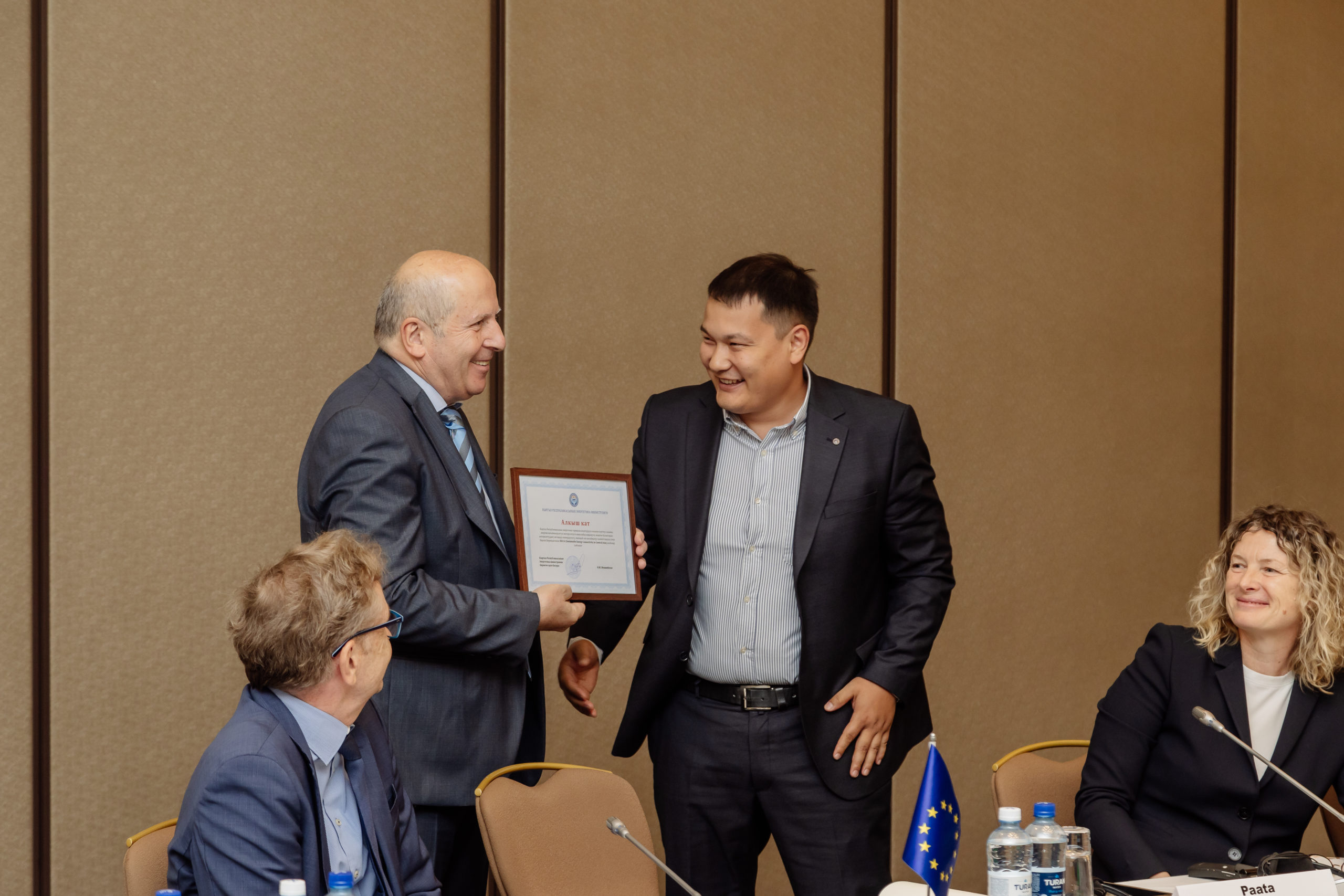
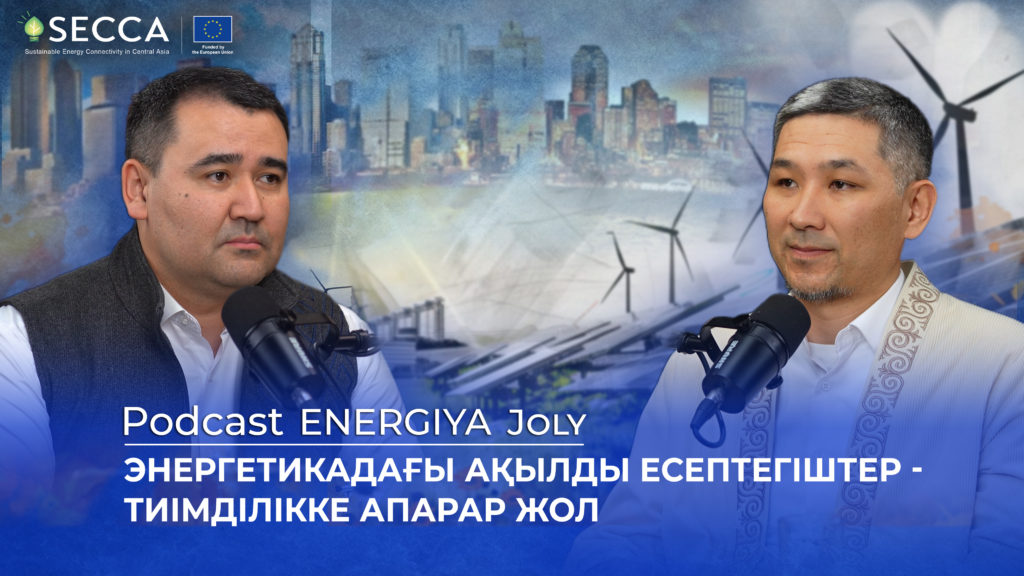
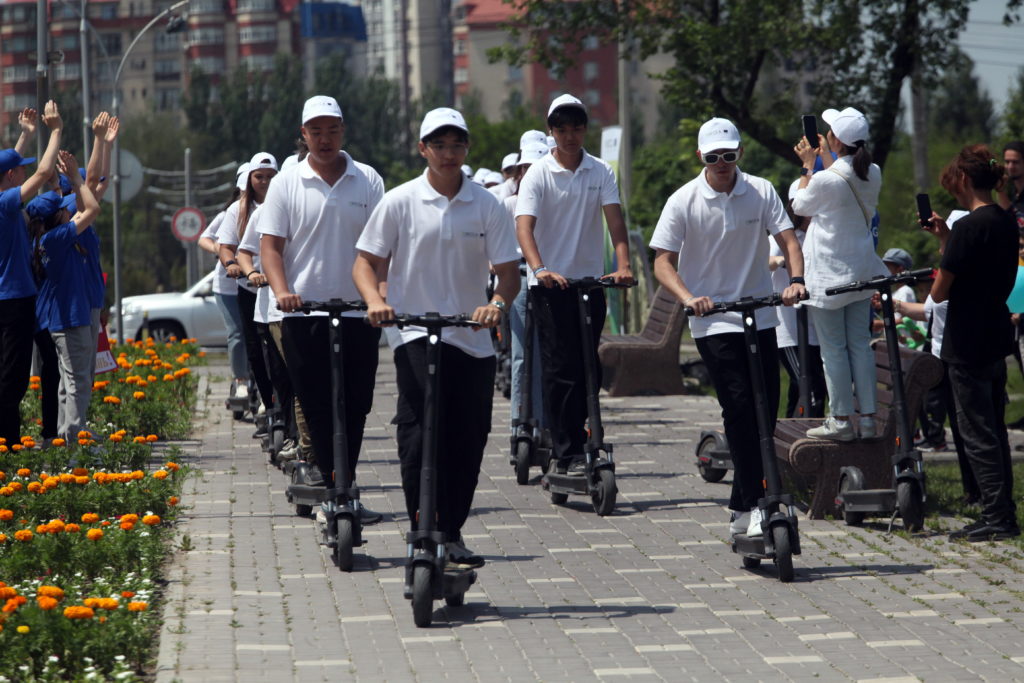
SECCA Key Experts Paata Janelidze and Ilze Purina then presented on the project outcomes, focusing on the work done to enhance regulatory frameworks, promote climate and energy planning, develop energy services market, energy audits, quality control of energy performance certificates of buildings, as well as deploy rooftop solar, small-scale hydropower energy projects and e-mobility projects, and other. They shared about the project efforts to strengthen capacities of beneficiary countries’ research and academic institutions for more active participation in the EU’s Horizon Europe programme and enhanced research cooperation between the EU and Central Asia. The experts also highlighted the work dedicated to raising awareness about the importance and benefits of sustainable energy among the stakeholders and general public, including women and youth, achieved through various events and activities, and most importantly through “The European Union – Central Asia Sustainable Energy Days” campaigns conducted regionally and nationally and the “Energiya Joly” Podcast.
While SECCA formally draws to a close in May 2026, participants emphasised that it represents not an endpoint but a foundation for continued cooperation. With growing momentum toward renewable energy and carbon footprint reduction targets, Central Asia and the European Union reaffirmed their commitment to strengthening collaboration and accelerating the transition to a more sustainable and resilient energy future.