
If energy connectivity is reduced to MWh traded, it has already failed as a policy concept – slipping into purely speculative market activity.
Its real value lies in coordination: shared data, aligned assumptions, joint priorities, and the ability to act together across borders.
True connectivity means building a common strategic language – one that allows countries not just to exchange energy, but to design sustainable futures together. Modelling plays a critical role here: not to predict, but to make choices visible, comparable, and negotiable. It turns complexity into something stakeholders can collectively understand – and shape.
How did we get there? A structured, stepwise approach
We began with the fundamentals: establishing a common methodological understanding and framework, along with a shared data foundation – collecting, harmonising, and analysing sector-level information.
From there, we moved toward a system perspective, explicitly representing the key drivers and inter-dependencies that shape energy and climate outcomes.
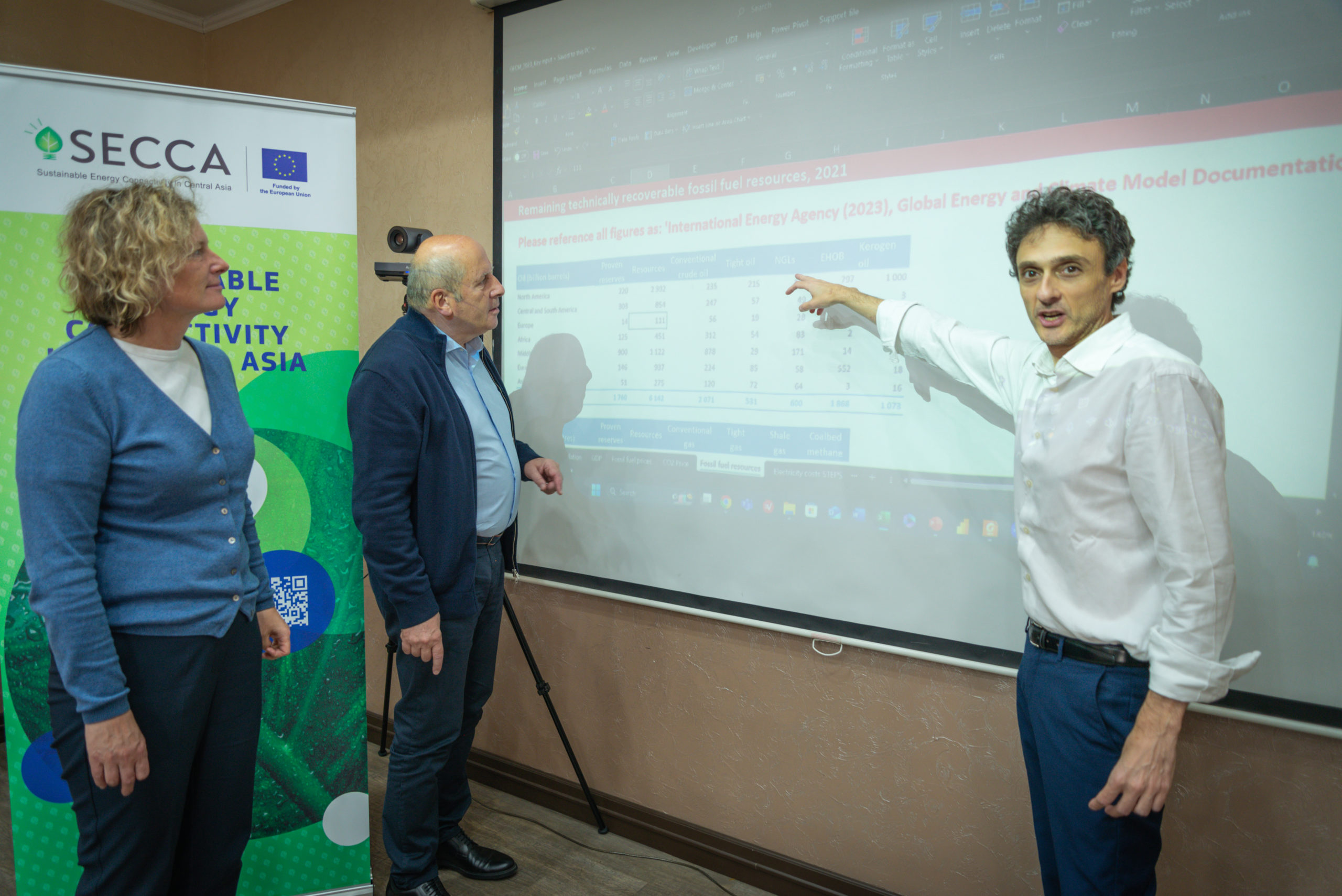
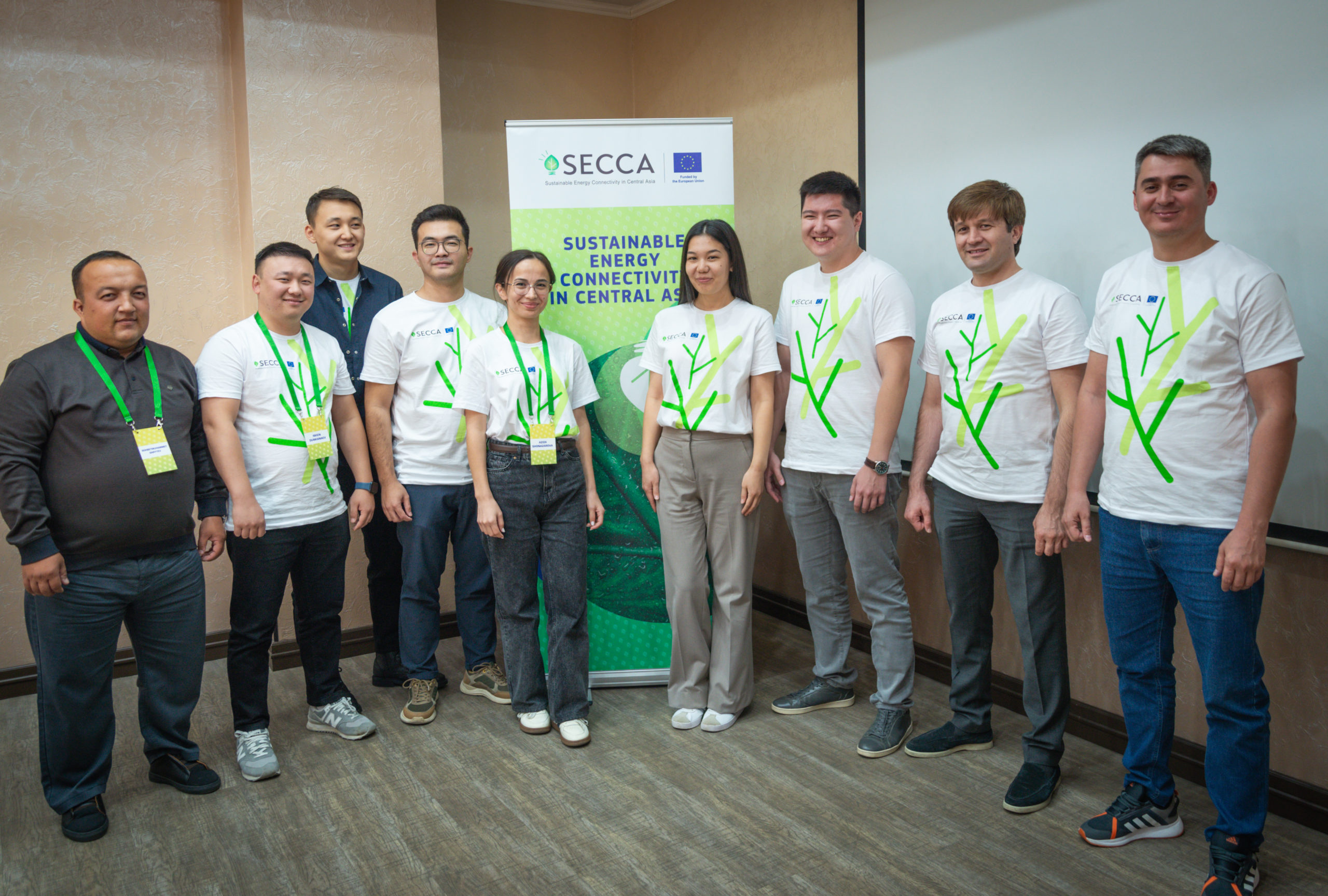
Next came scenario design – exploring different combinations of policies, goals, and uncertainties to understand possible pathways and trade-offs at the country level. During this phase, young professionals developed their own analytical tools, applying newly acquired knowledge while embedding their understanding of national systems and strategic priorities.
Finally, we moved into the supranational dimension – testing national strategies against a regional perspective to identify opportunities for dialogue, alignment, and joint action.
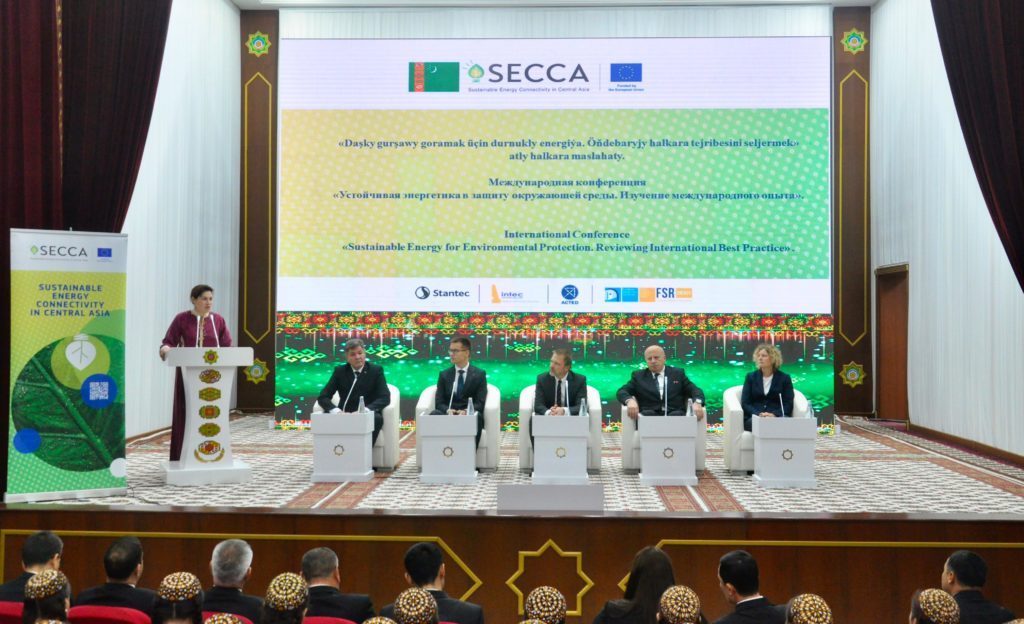
This process – developed and applied across Central Asia – goes beyond technical modelling. It strengthens a shared sense of regional connectivity among Kazakhstan, Kyrgyzstan, Tajikistan, Turkmenistan, and Uzbekistan, while also building bridges with the European Union through aligned methodologies and continuous dialogue on integrated energy and climate strategies.
At its core, this approach is about the democratisation of strategic thinking in the energy and climate sector – expanding the number of people able to engage with complex policy questions, access common methods, and actively contribute to decision-making.
This is my main takeaway from the project, and a legacy I hope will continue to inform and shape future work in the region.
I am grateful to the core project team for their continuous support and for sharing this vision, ambition, and effort.
Rocco De Miglio
SECCA Energy Sector Modelling Expert